Kindergarten Readiness Checklist PDF: A Comprehensive Guide
Navigating kindergarten readiness involves assessing crucial skills—functioning over academics is key! This PDF checklist empowers parents, focusing on independence,
social-emotional growth, and essential self-help abilities for a smooth transition.
Embarking on the kindergarten journey is a significant milestone for both children and families. A kindergarten readiness checklist PDF serves as a valuable tool, offering insights into the developmental skills children typically possess before starting formal schooling. It’s about more than academics; prioritizing self-sufficiency—like toileting, dressing, and opening lunch containers—is paramount.
Emotional maturity, social skills (sharing, taking turns), and the ability to follow directions are equally vital. Remember, you, as parents, are your child’s first teachers, fostering growth through everyday interactions. This checklist isn’t a rigid test, but a guide to support your child’s successful transition.
II. Why a Kindergarten Readiness Checklist is Important
A kindergarten readiness checklist PDF provides a structured framework for evaluating a child’s preparedness. It helps identify areas where a child excels and pinpoint skills needing further development, allowing for targeted support. Focusing on functioning—can they manage coats, lunches, or restroom needs?—eases the teacher’s role.
This proactive approach reduces kindergarten anxieties for both child and parent. It’s crucial to remember that social-emotional development often outweighs academic skills at this stage, fostering a positive learning environment. Utilizing school district resources and checklists aids in alignment with local expectations.
III. Core Areas of Kindergarten Readiness
Kindergarten readiness encompasses a blend of skills, extending beyond academics. Core areas include social-emotional development—expressing feelings, taking turns—and crucial self-help skills like toileting and dressing independently. Cognitive abilities, such as name recognition and basic counting, are also important, but secondary to functioning.
A comprehensive checklist PDF assesses these domains, providing a holistic view of a child’s preparedness. Prioritizing emotional maturity and self-sufficiency sets a strong foundation for academic success and a positive kindergarten experience.
A. Social-Emotional Development
Social-emotional skills are paramount for kindergarten success, often outweighing academic preparedness. A readiness checklist PDF should assess a child’s ability to identify and express feelings appropriately. Observing their capacity for sharing, taking turns, and following simple directions reveals crucial social maturity.
Patience and the ability to wait are also key indicators. These skills foster positive interactions and a conducive learning environment, laying the groundwork for a fulfilling kindergarten journey.
IV. Self-Help Skills: The Foundation for Independence
A kindergarten readiness checklist PDF must prioritize self-help skills, as independence eases the transition. Assess toileting independence – can they manage themselves? Evaluate dressing skills: coats, shoes, and managing fasteners are vital. Lunchtime proficiency, like opening containers, is also essential.
These abilities reduce teacher workload and boost a child’s confidence. Focusing on these practical skills allows educators to concentrate on academic instruction.
A. Toileting Independence
A crucial component of a kindergarten readiness checklist PDF is toileting independence. Can your child reliably communicate the need to use the restroom? More importantly, can they independently manage the entire process – from undressing to cleaning themselves thoroughly?
Consistent success demonstrates self-sufficiency. Accidents happen, but a solid foundation minimizes disruptions and builds confidence. This skill is paramount for a positive kindergarten experience.
B. Dressing Skills (Coats, Shoes, etc.)
A comprehensive kindergarten readiness checklist PDF must address dressing skills. Can your child independently put on and take off a coat? Mastering buttons, zippers, and snaps are valuable milestones. Similarly, can they manage their shoes – fastening and unfastening them with minimal assistance?
These skills foster independence and reduce reliance on teachers during busy classroom transitions. Practice makes perfect, building confidence and self-sufficiency.
C. Lunchtime Skills (Opening Containers)
A vital component of a kindergarten readiness checklist PDF centers on lunchtime independence. Can your child open their own lunch containers – applesauce cups, string cheese, or snack bags? This skill minimizes reliance on staff and promotes self-sufficiency during meal times.
Practice opening various containers beforehand. This builds confidence and ensures a smoother, more enjoyable lunchtime experience for your child, fostering a positive school transition.
V. Emotional Regulation & Social Skills
A comprehensive kindergarten readiness checklist PDF prioritizes emotional and social development. These skills often outweigh academic preparedness; Observe your child’s ability to identify and express feelings appropriately. Can they navigate taking turns and sharing with peers?
Assess their capacity for patience and waiting, alongside following simple directions. Strong emotional regulation and social skills are foundational for positive classroom interactions and overall school success.
A. Identifying and Expressing Feelings
A vital component of a kindergarten readiness checklist PDF is evaluating a child’s emotional literacy. Observe their ability to recognize and name their own feelings – happiness, sadness, anger, and frustration.
Can they communicate these emotions verbally, rather than through outbursts? Assessing this skill helps determine their capacity for self-regulation and positive social interactions within a classroom setting. This is more important than academics.
B. Taking Turns and Sharing
A comprehensive kindergarten readiness checklist PDF must include social skills assessment, specifically around turn-taking and sharing. Observe your child in playdates or group settings.
Can they willingly share toys and materials with peers? Do they understand the concept of waiting for their turn without significant distress? These abilities are foundational for positive classroom dynamics and conflict resolution, exceeding academic importance.
C. Following Simple Directions
A vital component of any kindergarten readiness checklist PDF is assessing a child’s ability to follow simple, one-step directions. This demonstrates listening comprehension and the capacity to engage with classroom instructions.
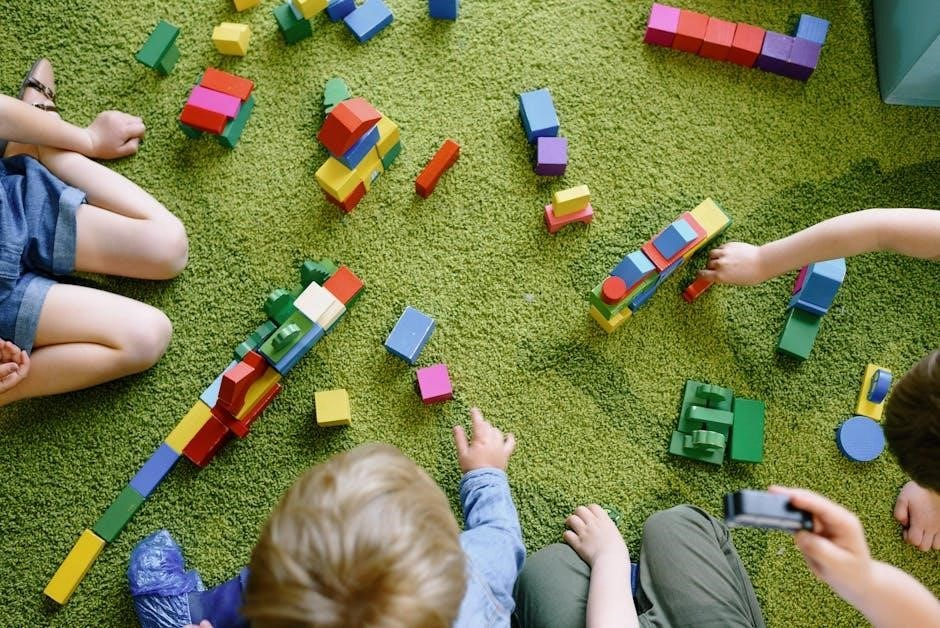
Observe if your child can successfully complete requests like “Please put the block away” or “Bring me your shoes.” This skill is paramount, as teachers rely on it for classroom management and learning activities, surpassing initial academic expectations.
D. Patience and Waiting Skills
A crucial element within a kindergarten readiness checklist PDF is evaluating a child’s capacity for patience and waiting their turn. Kindergarten classrooms necessitate sharing and taking turns, demanding self-regulation skills.
Observe if your child can wait in line (even without a screen!), participate in group activities, and understand the concept of delayed gratification. Developing these skills fosters a positive classroom environment and reduces potential frustrations for both the child and the teacher.
VI. Cognitive Skills: Building a Learning Foundation
A kindergarten readiness checklist PDF should assess foundational cognitive abilities, but remember, mastery isn’t the goal—exposure is! Key areas include recognizing one’s first and last name, demonstrating basic counting skills (even just to five or ten), and identifying common shapes and colors.
These skills aren’t about academic pressure; they’re about building a base for future learning. Focus on playful exploration rather than rote memorization, fostering a love for discovery.
A. Name Recognition (First & Last Name)
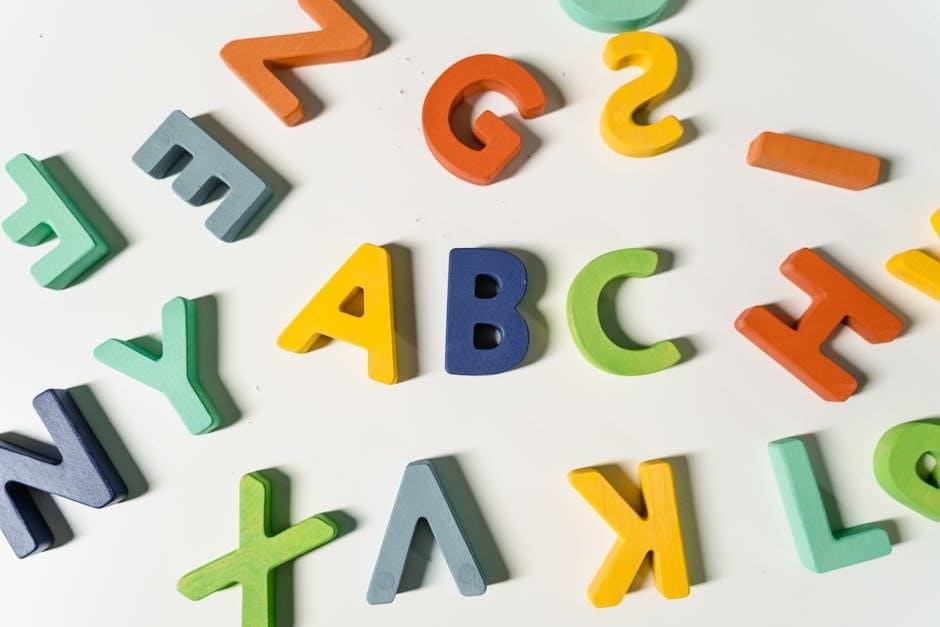
A vital component of a kindergarten readiness checklist PDF is assessing name recognition. Can your child confidently identify their first and last name in written form? This isn’t about perfect spelling, but about recognizing the unique sequence of letters that represent them;
Practice through games, labeling belongings, and incorporating their name into daily activities. This builds self-awareness and a foundational skill for reading and writing.
B. Basic Counting Skills
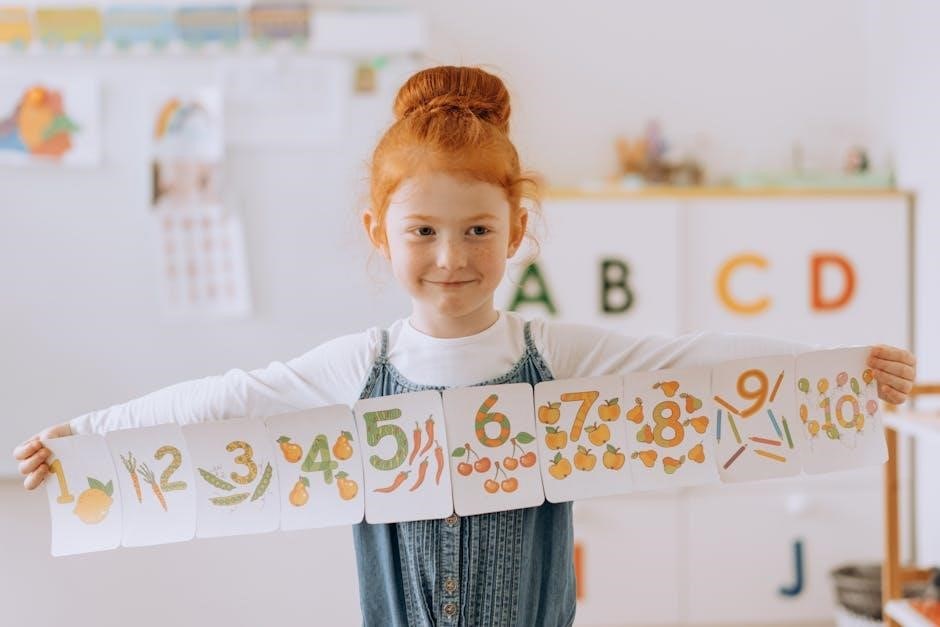
A kindergarten readiness checklist PDF should include an evaluation of basic counting abilities. Can your child accurately count to ten, understanding that each number represents a quantity? Focus on rote counting and the concept of “one-to-one correspondence”—touching each object as they count.
Use everyday objects like toys or snacks to make it fun! This skill lays the groundwork for future mathematical understanding and problem-solving.
C. Shape and Color Recognition
A comprehensive kindergarten readiness checklist PDF assesses shape and color identification. Can your child name basic colors – red, blue, yellow, green? Do they recognize common shapes like circles, squares, triangles, and rectangles? This isn’t about perfect recall, but demonstrating awareness.
Incorporate these skills into daily activities; “Hand me the red block” or “Find the circle!” This builds visual discrimination and foundational learning skills.

VII. Fine Motor Skills Development
A kindergarten readiness checklist PDF highlights the importance of refined fine motor skills. Can your child hold a pencil or crayon with a developing grip? Successfully use scissors to cut along a line (safely, of course)? Manipulate small objects like buttons and zippers on clothing?
These skills are vital for writing, art, and self-sufficiency. Practice through play – puzzles, building blocks, and art projects all contribute to development.
A. Holding a Pencil/Crayon Correctly
A kindergarten readiness checklist PDF assesses a child’s pencil grasp. While a perfect tripod grasp isn’t essential, observe how your child holds writing tools. Are they using their whole hand, or developing a more refined grip with thumb and fingers?
Encourage proper form through fun activities – coloring, drawing, and tracing. Avoid grip correctors initially; focus on building hand strength and comfort; A relaxed grip is key!
B. Using Scissors Safely
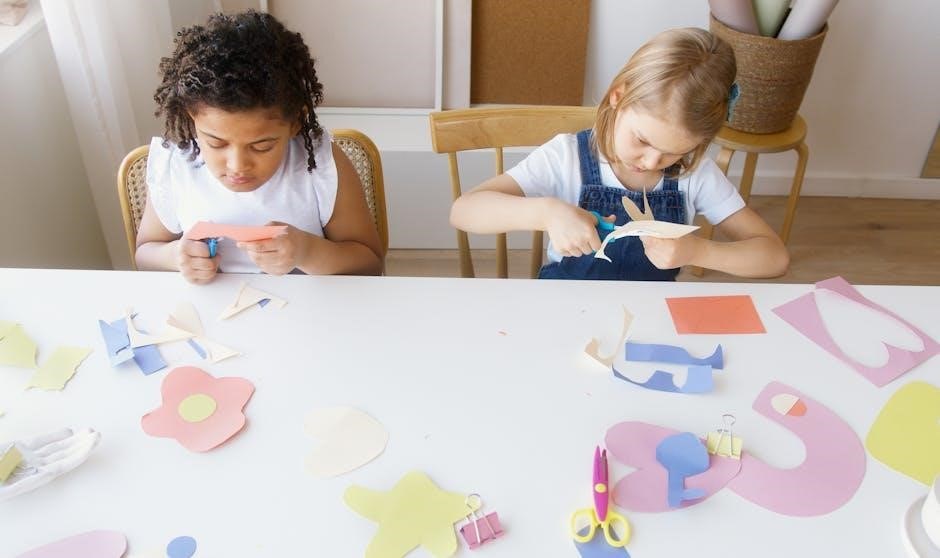
A kindergarten readiness checklist PDF includes scissor skills assessment. Can your child safely hold and manipulate scissors to cut along a line, or simple shapes? Safety is paramount – ensure they use blunt-tipped scissors designed for children.
Supervise closely and teach proper technique: holding the scissors correctly, keeping fingers away from the blades, and cutting away from the body. Practice makes perfect, fostering fine motor development!
C. Manipulating Small Objects (Buttons, Zippers)
A comprehensive kindergarten readiness checklist PDF assesses dexterity with small objects. Can your child independently button and unbutton clothing, or zip and unzip jackets? These skills demonstrate fine motor control and self-sufficiency, vital for independence.
Practice with various closures – buttons, zippers, snaps – to build confidence. This contributes significantly to self-help skills, easing the kindergarten transition and fostering a sense of accomplishment.
VIII. Gross Motor Skills Development
A kindergarten readiness checklist PDF includes evaluating gross motor skills. Observe if your child confidently performs fundamental movements like running, jumping, and hopping. Assess their balancing and coordination abilities – crucial for playground activities and physical participation.
These skills aren’t just about physical prowess; they contribute to overall development and confidence. A child comfortable with movement is better equipped to engage in learning and social interactions.
A. Running, Jumping, Hopping
A comprehensive kindergarten readiness checklist PDF assesses these foundational movements. Can your child run without frequent stumbling? Observe their jumping – are they able to jump with both feet and land softly? Hopping, even on one foot briefly, demonstrates developing balance and coordination.
These skills aren’t about athletic ability, but rather physical development essential for navigating the kindergarten environment and participating in play.
B. Balancing and Coordination
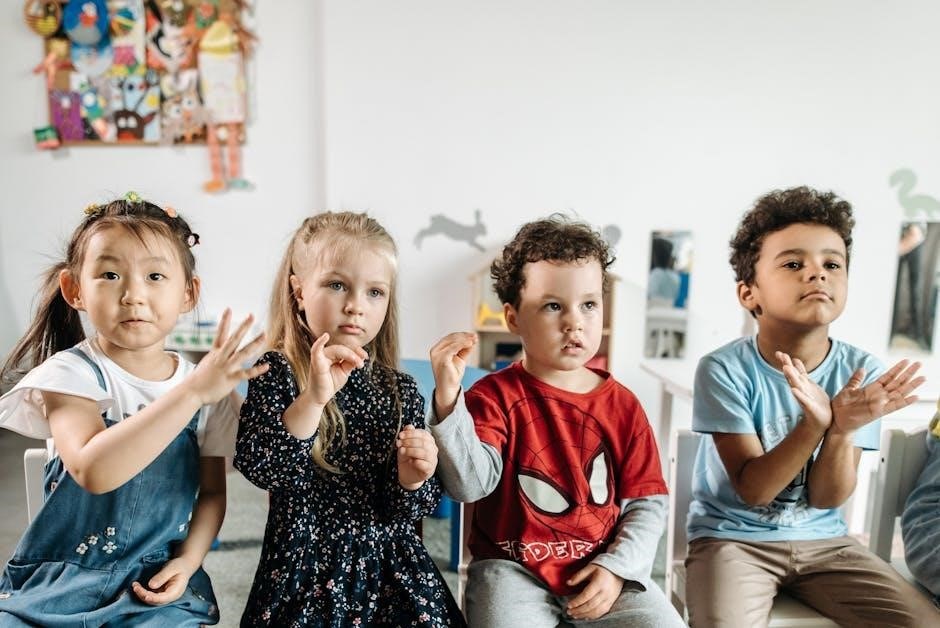
A detailed kindergarten readiness checklist PDF includes evaluating balance and coordination. Observe if your child can walk along a line or stand on one foot for a few seconds. Coordination is evident in activities like catching a ball or building with blocks.
These skills are vital for classroom activities, playground participation, and overall physical confidence. They contribute to a child’s ability to navigate their surroundings safely and effectively.
IX. Language and Literacy Skills
A comprehensive kindergarten readiness checklist PDF assesses language and literacy foundations. Key indicators include listening comprehension – can your child follow simple, multi-step directions? Observe storytelling and retelling abilities; can they recount a familiar story in their own words?
Strong language skills are crucial for academic success and social interaction. This section evaluates a child’s ability to understand and express themselves effectively.
A. Listening Comprehension
Evaluating listening comprehension is vital within a kindergarten readiness checklist PDF. Observe if your child can attentively listen to a story or instructions and accurately respond to simple questions.
Can they follow two- or three-step directions, like “Please pick up the blocks and put them in the bin?” This skill demonstrates their ability to process information and follow through, foundational for classroom learning.
B. Storytelling and Retelling
A kindergarten readiness checklist PDF should assess storytelling and retelling abilities. Encourage your child to narrate experiences or retell familiar stories in their own words.
Observe their ability to sequence events – can they recall the beginning, middle, and end? This demonstrates comprehension, memory skills, and language development, all crucial for early literacy and classroom participation. It’s about more than just remembering; it’s about constructing a narrative.
X. Creating a Kindergarten Readiness PDF Checklist
A comprehensive kindergarten readiness checklist PDF should be thoughtfully designed for ease of use. Essential elements include clearly defined skills across developmental domains – social-emotional, cognitive, physical, and self-help.
Format it with checkboxes or rating scales for tracking progress. Consider sections for notes and observations. Prioritize a user-friendly layout, making it accessible for all parents to monitor their child’s growth effectively.
A. Essential Elements to Include
A robust checklist must encompass key areas. Include sections for identifying feelings, taking turns, following directions, and demonstrating patience. Self-help skills – toileting, dressing, and opening lunch containers – are vital. Assess name recognition, basic counting, and shape/color identification.
Don’t forget fine and gross motor skills! Prioritize functional skills like wiping independently and opening snacks. A focus on emotional and social development is paramount for success.
B. Formatting for Easy Use
Design your PDF checklist for clarity and convenience. Utilize a simple, checkbox-style format for each skill, allowing easy tracking of mastery. Categorize skills – social-emotional, self-help, cognitive – for organized assessment. Include space for notes and dates to monitor progress.
Employ clear, concise language. Consider color-coding or visual cues. A well-formatted checklist empowers parents to proactively support their child’s kindergarten preparation.
XI. Utilizing School District Resources
School districts offer invaluable kindergarten readiness support. Check school board websites for specific checklists and requirements tailored to your location. Attend kindergarten information sessions – these events provide insights into curriculum and expectations.
Connect with school staff to discuss your child’s individual needs. Utilizing these resources ensures alignment between home preparation and school readiness goals, maximizing your child’s successful transition.
A. Checking School Board Websites
School board websites are a primary source for kindergarten readiness information. Locate the district’s kindergarten section; many post detailed checklists outlining expected skills. These resources often specify academic, social-emotional, and self-help competencies.
Review any required documentation or assessments. Websites may also feature FAQs addressing common parent concerns. Proactive research empowers you to tailor preparation efforts to local kindergarten standards, ensuring a confident start.
B. Attending Kindergarten Information Sessions
Kindergarten information sessions offer invaluable insights directly from school staff. These events provide a platform to learn about curriculum, daily routines, and specific readiness expectations. Engage with teachers and administrators to clarify any uncertainties regarding the kindergarten checklist.
Sessions often cover topics like social-emotional development and self-help skills. Take notes and ask questions – it’s a chance to gain personalized guidance for your child’s successful transition!
XII. Age, Growth, and Individual Experiences
Kindergarten readiness isn’t solely about age; it’s a holistic view encompassing a child’s unique growth trajectory. Each child develops at their own pace, influenced by individual experiences and temperament. A checklist serves as a guide, not a rigid standard.
Consider your child’s overall development—emotional maturity, social skills, and self-help abilities— alongside academic preparation. Remember, readiness is a blend of these factors, not just one single skill.
XIII. The Role of Parents as First Teachers
You, as parents, are your child’s initial and most impactful educators! Daily interactions – talking, playing, and working together – are foundational learning experiences. A kindergarten readiness checklist isn’t about formal teaching; it’s recognizing skills developed through everyday life.
Nurture curiosity, encourage independence, and foster a love of learning. Your consistent support and guidance are invaluable in preparing your child for kindergarten’s exciting journey.
XIV. Focusing on Functioning Over Academics
Prioritize independence and self-sufficiency over pre-academic skills! Teachers will readily teach letters, numbers, and concepts, but a child’s ability to function independently is paramount.
Focus on skills like knowing their name, toileting, dressing, opening lunch containers, and following directions. These foundational abilities create a smoother learning experience, allowing educators to focus on academic instruction.
XV. Addressing Common Concerns
Parents often worry about academic or social-emotional readiness. Concerns about letters and counting are common, but remember teachers will provide instruction. Prioritize self-help skills – can your child manage toileting, dressing, and lunchtime independently?
Social-emotional development is equally vital. Can they share, take turns, and patiently wait? Utilize school resources and checklists to identify areas for support and ease anxieties.
A. Concerns About Academic Skills
Many parents fret over their child’s academic preparation—letters, numbers, and early concepts. However, kindergarten teachers are equipped to teach these foundational skills to all students, regardless of prior exposure.
Focus less on pre-existing knowledge and more on a child’s willingness and ability to learn. A strong foundation in self-help and social skills will significantly aid academic success. Readiness checklists should prioritize these functional skills.
B. Concerns About Social-Emotional Development
Parents often express worry regarding their child’s social and emotional readiness for kindergarten. Concerns center around sharing, taking turns, managing feelings, and navigating group dynamics.
Preschools rightly emphasize these areas as paramount. A child’s ability to regulate emotions, follow directions, and interact positively with peers is more critical than academic prowess. Checklists should assess these skills—patience, waiting, and expressing needs appropriately.
XVI. Preparing for the Transition to Kindergarten
Easing the transition requires proactive steps. Familiarize your child with the school building if possible, and practice the route. Discuss kindergarten expectations positively, focusing on fun learning and new friends.
Utilize the readiness checklist to identify areas needing extra support. Role-play common kindergarten scenarios—lunchtime, circle time, asking for help. Prioritize self-help skills; independence fosters confidence. Remember, a smooth transition benefits both child and teacher!
XVII. Kindergarten Readiness Assessment Tools
Beyond checklists, formal assessments exist. School districts often employ tools evaluating cognitive, social-emotional, and physical development; These assessments aren’t pass/fail, but inform teachers about individual student needs.
The downloadable kindergarten readiness checklist serves as a valuable preliminary tool for parents. It complements, but doesn’t replace, professional evaluations. Understanding assessment goals helps you support your child’s learning journey and collaborate effectively with educators.
XVIII. Printable Kindergarten Readiness Checklist Resources
Numerous free, printable checklists are available online! Search for “kindergarten readiness checklist PDF” to access various options. Websites of school districts and educational organizations frequently offer downloadable resources.
These checklists typically cover areas like self-help skills, social-emotional maturity, and foundational academic concepts. Remember to prioritize functioning skills – toileting, dressing, opening lunch containers – alongside academic preparation. Utilize these tools to track progress and identify areas needing focus.
XIX. Adapting the Checklist for Different Learners
Recognize that every child develops uniquely! A standardized checklist shouldn’t cause undue stress. Focus on individual growth, not rigid benchmarks.
For children with developmental delays or specific needs, modify the checklist accordingly. Prioritize essential skills and break down tasks into smaller, achievable steps. Remember, emotional and social readiness often outweigh academic skills. Adapt expectations based on your child’s pace and learning style, ensuring a positive kindergarten experience.
XX. Kindergarten Readiness by State (General Overview)
Kindergarten entry requirements vary significantly across the US! While core skills like social-emotional development are universally valued, academic expectations differ.
Check your local school district’s website for specific guidelines. Many states provide detailed checklists or assessments. Some prioritize letter/number recognition, while others emphasize self-sufficiency. Utilize school board resources and kindergarten information sessions to understand your state’s standards and ensure your child is well-prepared.
XXI. The Importance of Play-Based Learning
Play is fundamental to kindergarten readiness! It fosters crucial skills—social interaction, problem-solving, and emotional regulation—often exceeding academic drills.
Through play, children develop creativity, independence, and a love for learning. Prioritize unstructured playtime alongside checklist items. Focus on functioning skills developed naturally through play, like sharing and following directions. A play-based approach builds a strong foundation for future academic success and overall well-being.
XXII. Recognizing Signs of Kindergarten Readiness

Readiness isn’t solely about academics; it’s a holistic view of your child’s development. Observe their ability to separate comfortably, follow simple instructions, and express needs.
Look for self-help skills – opening lunch containers, managing coats, and toileting independence. Emotional maturity, like taking turns and managing feelings, is vital. A completed kindergarten readiness checklist provides a guide, but trust your instincts; a child eager to learn is often ready!
XXIII. What to Do If Your Child Isn’t Ready

If your checklist reveals areas needing development, don’t panic! Kindergarten readiness is a spectrum, and every child progresses differently.
Consider another year of preschool or a transitional kindergarten program. Focus on strengthening weaker areas through play-based learning and targeted activities. Consult with educators and utilize school district resources. Remember, prioritizing emotional and social growth is crucial; academic skills will follow. A delayed start can foster confidence!
XXIV. Conclusion: Supporting Your Child’s Success
Utilizing a kindergarten readiness checklist is a proactive step towards ensuring a positive school experience. Remember you are your child’s first teacher, fostering growth through daily interactions.
Prioritize function over academics – independence and emotional regulation are paramount. Embrace play-based learning and leverage school district resources. Trust your instincts and advocate for your child’s individual needs. A confident, well-adjusted child is best prepared to thrive!