
What is a Bland Diet?
A bland diet centers around easily digestible foods – refined grains, soft fruits & vegetables, and low-fat dairy – designed to minimize digestive system irritation.
Definition and Purpose
A bland diet is a short-term eating plan focused on foods that are gentle on the stomach and intestines. It’s not intended as a long-term nutritional approach, but rather a temporary measure to aid recovery from digestive upset. The core principle revolves around minimizing stimulation of the digestive tract, reducing the production of stomach acid, and easing bowel movements.
This dietary approach typically includes foods that are low in fiber, fat, and seasoning. The purpose is to give the digestive system a chance to rest and heal, particularly after experiencing conditions like nausea, vomiting, diarrhea, or inflammation. It’s often recommended following gastrointestinal illnesses or after certain medical procedures. Ultimately, a bland diet aims to alleviate symptoms and promote comfort while the body recovers.
When is a Bland Diet Recommended?
A bland diet is frequently suggested during periods of digestive distress, such as after experiencing nausea, vomiting, or diarrhea. It’s also commonly advised following gastrointestinal illnesses like stomach flu or food poisoning, providing the gut a chance to recover without further irritation.
Post-surgery, particularly procedures involving the digestive system, a bland diet can ease the transition back to normal eating. Individuals with conditions like ulcers, gastritis, or inflammatory bowel disease (IBD) may also benefit from temporarily adopting this eating plan to reduce symptom flare-ups. Doctors often recommend it before certain diagnostic tests, like colonoscopies, to ensure clear visibility. It’s crucial to consult a healthcare professional before starting a bland diet, as it’s a temporary solution.

Foods Allowed on a Bland Diet
Permitted foods include refined grains, soft-cooked vegetables and fruits, lean proteins like poultry, and low-fat dairy options – prioritizing gentle digestion.
Low-Fiber Fruits
When following a bland diet, fruit choices are crucial for minimizing digestive upset. Opt for options naturally low in fiber, as high-fiber fruits can exacerbate symptoms like diarrhea or bloating. Excellent choices include canned or cooked fruits without skins and seeds.
Specifically, consider bananas – ripe ones are easiest to digest – applesauce (unsweetened is best), and canned peaches or pears. These fruits provide essential vitamins and nutrients without placing excessive strain on the digestive system. Avoid raw fruits with skins, such as berries or citrus fruits, as their fiber content is generally too high for a bland diet.

Remember to consume fruits in moderation, even those considered bland-diet friendly, to avoid potential discomfort. Preparation methods, like peeling and cooking, significantly reduce fiber content and improve digestibility.
Soft-Cooked Vegetables
Selecting the right vegetables is paramount on a bland diet, prioritizing those easily digested and gentle on the stomach. Raw vegetables are generally too difficult to break down, so soft-cooked options are essential. Steaming, boiling, or baking without added fats or seasonings are the preferred cooking methods.
Ideal choices include carrots, green beans, and potatoes (peeled). These vegetables become tender when cooked, reducing their fiber content and making them easier to digest. Squash, particularly butternut or acorn squash, is also a good option when prepared softly. Avoid cruciferous vegetables like broccoli or cauliflower, as they can cause gas and bloating.
Ensure vegetables are thoroughly cooked until very tender, almost mashed in consistency. This minimizes digestive effort and reduces the likelihood of irritation. Portion control is also important; even bland vegetables should be consumed in moderate amounts.
Lean Proteins
Protein is crucial for healing and maintaining body tissues, even while following a bland diet. However, the type of protein matters significantly. Fatty cuts of meat can be difficult to digest, so lean options are essential. Prioritize proteins that are easily broken down and won’t exacerbate digestive discomfort.
Excellent choices include skinless chicken or turkey (boiled, baked, or grilled – avoid frying), white fish like cod or haddock, and eggs (poached, boiled, or scrambled without added fats). Ground turkey or chicken, ensuring it’s very lean, is also suitable. Avoid processed meats, fried proteins, and those heavily seasoned.
Preparation is key; cooking methods should be gentle. Boiling or steaming are ideal, preserving the protein’s digestibility. Small portions are recommended, and introducing protein gradually can help assess tolerance.
Refined Grains
Refined grains form a cornerstone of a bland diet due to their easily digestible nature and low fiber content. High-fiber grains can irritate a sensitive digestive system, so opting for refined options is crucial for minimizing discomfort. These grains provide a readily available energy source without placing undue stress on the gut.

Suitable choices include white rice (a staple!), plain pasta (avoiding rich sauces), white bread (toasted is often better tolerated), and cream of wheat or rice cereal. Crackers, such as saltines, can also be included in moderation. Avoid whole-wheat products, brown rice, and anything with seeds or nuts.
Portion control is important, even with bland foods. Start with smaller servings to assess tolerance and gradually increase as symptoms improve. These grains offer a gentle foundation for rebuilding dietary intake.
Dairy Options
Dairy products can be included on a bland diet, but careful selection is key. Opt for low-fat or non-fat options to minimize digestive upset, as higher fat content can exacerbate symptoms. The goal is to provide easily digestible nutrients without triggering irritation.
Acceptable choices generally include yogurt (plain, unsweetened is best), milk (low-fat or skim), and soft cheeses like cottage cheese or ricotta. Hard cheeses are typically avoided due to their higher fat content and potential for being harder to digest. Avoid flavored yogurts with added sugars or fruit pieces.
Lactose intolerance should be considered. If dairy consistently causes discomfort, explore lactose-free alternatives or limit dairy intake significantly. Introduce dairy slowly to assess tolerance and monitor for any adverse reactions.

Foods to Avoid on a Bland Diet
Steer clear of spicy, high-fat, acidic, raw, and heavily seasoned foods, as these can irritate the digestive tract and worsen discomfort significantly.

Spicy Foods
Spicy foods are a definite no-go on a bland diet due to their capsaicin content, a chemical irritant that can significantly aggravate the digestive system. This irritation can lead to increased stomach acid production, heartburn, and even diarrhea, counteracting the diet’s goal of soothing the gut.
Avoid chili peppers, hot sauces, curry powders, and any dishes containing these ingredients. Even seemingly mild spices like black pepper should be used sparingly or avoided altogether. The aim is to minimize any stimulation of the digestive tract, allowing it to rest and heal. Prioritizing gentle flavors is key during this dietary phase. Remember, the temporary restriction of spicy foods supports faster recovery and reduced discomfort.
High-Fat Foods
High-fat foods are problematic on a bland diet because they require more effort to digest, potentially exacerbating gastrointestinal distress. The digestive system works harder to break down fats, which can worsen symptoms like nausea, bloating, and abdominal pain. This increased workload defeats the purpose of a bland diet – to provide the gut with a period of rest.
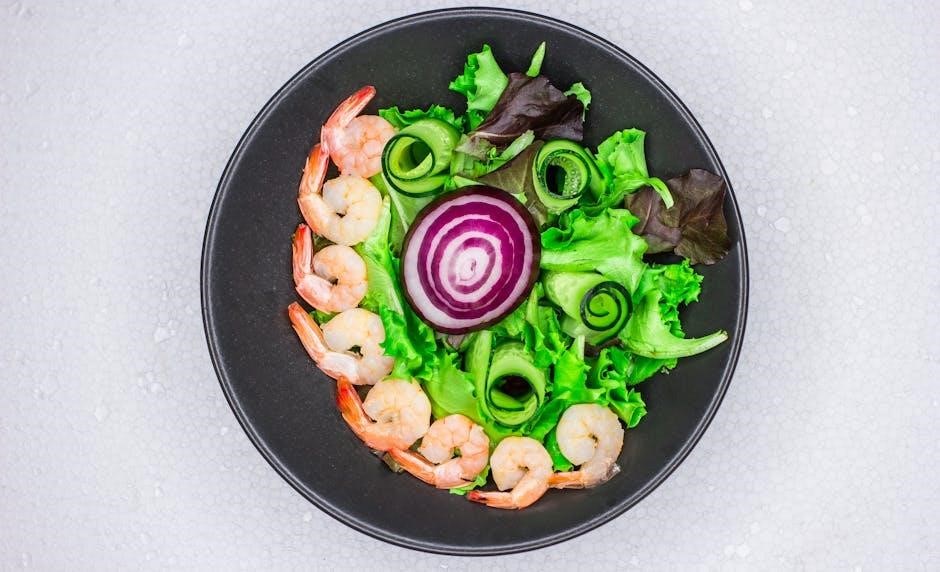
Avoid fried foods, fatty meats (like bacon or sausage), rich sauces, and full-fat dairy products. Opt instead for lean protein sources and low-fat alternatives. Reducing fat intake allows the digestive system to focus on processing easily digestible nutrients, promoting healing and reducing discomfort. Prioritizing lighter options is crucial for successful bland diet adherence.
Acidic Foods
Acidic foods can irritate the digestive tract, particularly when it’s already sensitive or inflamed. This irritation can lead to heartburn, acid reflux, and general discomfort, counteracting the soothing goals of a bland diet. The increased acidity can worsen existing conditions like gastritis or ulcers, hindering the healing process.
Foods to avoid include citrus fruits (oranges, lemons, grapefruit), tomatoes and tomato-based products, vinegar, and spicy pickled items. These foods stimulate acid production in the stomach, potentially causing pain and bloating. Choosing milder, less acidic options allows the digestive system to calm down and recover. Gentle nourishment is key during a bland diet phase.
Raw Fruits and Vegetables
Raw produce, while generally healthy, presents a challenge for a bland diet due to its higher fiber content and potential for digestive upset. The cellulose in raw vegetables can be difficult to break down, leading to gas, bloating, and cramping. Similarly, the natural acids and enzymes in raw fruits can irritate a sensitive stomach.
Opting for well-cooked, soft versions of fruits and vegetables is crucial. Steaming, boiling, or baking reduces the fiber and softens the texture, making them easier to digest. Avoid crunchy salads, raw carrots, or crisp apples during this dietary phase. Prioritizing gentle digestion supports the healing process and minimizes discomfort, aligning with the bland diet’s purpose.
Highly Seasoned Foods
Strong seasonings are a definite no-go on a bland diet, as they can significantly irritate the digestive tract. This includes anything with excessive salt, pepper, garlic, onion, chili powder, or other potent spices. These ingredients stimulate acid production and can exacerbate inflammation, hindering the recovery process.

The goal is to minimize any stimulation to the stomach and intestines. Flavor should be subtle and gentle. Simple cooking methods like steaming or boiling, with minimal additions, are preferred. Avoid pre-made sauces, marinades, and spice blends, as they often contain hidden irritants. Focusing on the natural flavors of the allowed foods is key to adhering to the principles of a bland diet and promoting digestive calm.

Sample Bland Diet Meal Plan
A structured plan incorporates gentle foods throughout the day, prioritizing easily digestible options like refined grains, soft fruits, and low-fat dairy choices.
Breakfast Ideas
Starting the day with a gentle breakfast is crucial on a bland diet. Consider options like oatmeal made with water, avoiding milk initially if lactose intolerance is a concern. Cream of wheat is another excellent choice, offering a smooth and easily digestible texture.
Soft-cooked eggs, prepared scrambled or poached, provide a source of lean protein without excessive seasoning. A slice of plain white toast, lightly buttered, can accompany the eggs. Bananas are a fantastic fruit option, being soft and easy on the stomach.
Avoid cereals with added sugar, whole-grain breads, and citrus fruits, as these can irritate the digestive system. Small portions are key; listen to your body and stop eating when you feel comfortably full. Hydrate with water or weak herbal tea.
Lunch Ideas
Midday meals on a bland diet should continue to prioritize easily digestible foods. A good option is plain baked or boiled chicken breast, served with white rice. The chicken provides lean protein, while the rice is gentle on the stomach. Mashed potatoes, prepared with water or a small amount of low-fat milk, are another suitable side dish.
Simple soups, like chicken noodle or vegetable broth (avoiding spicy or acidic vegetables), can be very soothing. Ensure the noodles are well-cooked and soft. A small portion of applesauce offers a touch of sweetness and fiber, but avoid if it causes discomfort.
Steer clear of salads, sandwiches with complex spreads, and fried foods. Portion control remains important; aim for a light and nourishing lunch that won’t overwhelm your digestive system. Water is the best beverage choice.
Dinner Ideas
Evening meals following a bland diet should be light and easily digestible to promote restful sleep. Baked or poached fish, such as cod or haddock, is an excellent choice, providing lean protein without excessive fat. Pair it with steamed carrots or green beans – ensuring they are thoroughly cooked until soft.
Plain pasta, tossed with a small amount of olive oil or a very mild sauce (avoiding tomato-based options), is another suitable option. A small serving of yogurt, if tolerated, can be a soothing dessert.
Avoid red meat, fried foods, and heavily seasoned dishes. Keep portions moderate and focus on simple preparations. Drinking water before bed, rather than sugary drinks, will aid digestion and overall comfort throughout the night.

Bland Diet Resources (PDF Downloads)
Numerous healthcare providers offer downloadable PDF guides detailing bland diet principles, food lists, and sample meal plans for patient support and education.
Hospital & Healthcare Provider PDFs
Many hospitals and healthcare systems proactively provide comprehensive bland diet resources in PDF format, accessible through their websites. These documents typically outline the diet’s purpose – often post-surgery or during gastrointestinal distress – and offer detailed food lists categorized by allowed and restricted items.
Expect to find practical guidance on meal preparation, portion sizes, and duration of the diet. PDFs from institutions like the Mayo Clinic or Cleveland Clinic often include symptom trackers to monitor progress. Furthermore, some providers offer specialized PDFs tailored to specific conditions, such as post-gastric surgery or inflammatory bowel disease flare-ups.
These resources are invaluable for patients needing clear, concise instructions and support during a potentially challenging dietary transition, ensuring adherence and optimal recovery. Searching “[Hospital Name] bland diet PDF” will often yield direct links to these helpful documents.