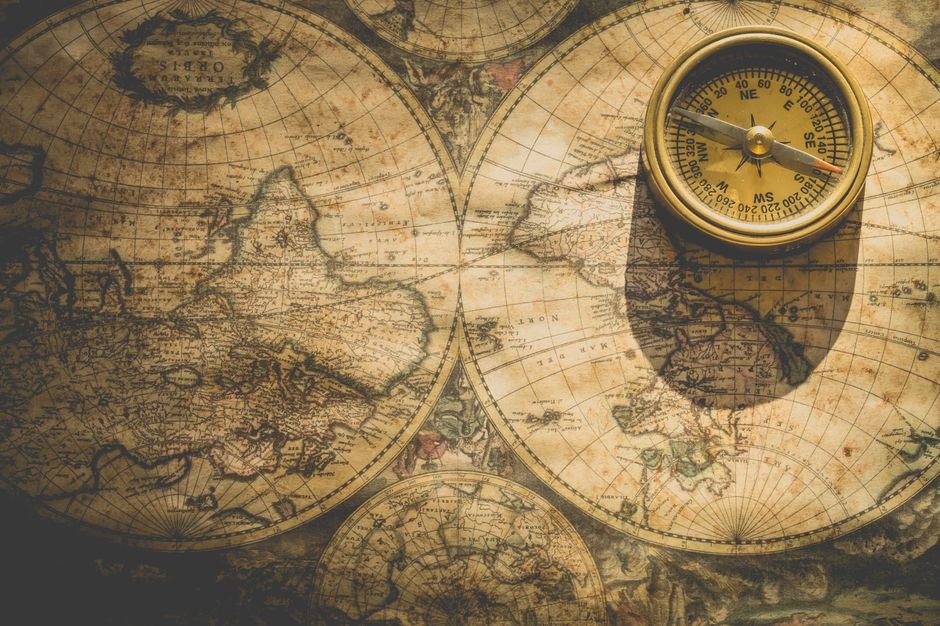
Explore the Old World’s lore, armies, and maps in digital form, enabling quick reference, streamlined play, and vibrant community sharing. PDFs keep rules, lore, and art accessible, portable, and up‑to‑date.!!!!!!!
Historical Context of Warhammer
Warhammer’s Old World draws inspiration from late medieval Europe, the Renaissance, and the age of exploration, blending mythic elements with gritty realism. The setting’s timeline begins in the 4th century, when the Empire of the Empire of the Old World emerges from the ashes of the Great War. Over centuries, the continent fractures into kingdoms, duchies, and independent city‑states, each vying for power, resources, and influence. The narrative arc is punctuated by cataclysmic events—such as the rise of the tyrannical Emperor’s reign, the spread of the Plague, and the advent of the Dark Age of Sorcery—that shape political alliances and cultural identities. The lore is enriched by a tapestry of folklore, religious rites, and heroic legends that echo the tales of knights, wizards, and mercenaries. This historical layering provides a rich backdrop for campaigns, allowing players to weave personal stories into the grand tapestry of the Old World’s ever‑shifting landscape.
Ancient prophecies and heroic legends guide the Old World’s destiny, shaping its ever fate.!
The Rise of PDF Resources
As digital distribution grew, Warhammer enthusiasts sought convenient ways to access rulebooks, codices, and lore. PDFs emerged as the ideal format, offering instant download, cross‑platform compatibility and searchable text. Early adopters shared scanned PDFs of classic editions, sparking a community of archivists who digitized obscure volumes. The rise of high‑resolution scanners and improved compression algorithms allowed faithful reproductions of artwork and maps. Online marketplaces and fan sites began hosting curated libraries, making rare materials accessible to a global audience. This shift also enabled rapid updates: errata, expansions, and new editions could be distributed instantly, keeping players in sync with official releases. The PDF ecosystem fostered collaboration, with forums where designers shared layout templates, color schemes, and custom rule sheets. Ultimately, PDFs transformed how the Old World is studied, played, and preserved, bridging the gap between physical books and modern gaming culture.! Explore now!

Understanding the Old World Setting
The Old World is a mythic realm where kingdoms clash, ancient magic lingers, and heroic tales unfold across diverse landscapes—from icy borders to sun‑baked plains vast.
Geographical Overview
The Old World is a sprawling realm of diverse landscapes, from northern highlands to sun‑baked southern deserts, each shaping the politics and warfare of its peoples. The Empire’s northern provinces are fortified by rugged mountains and dense forests, offering natural defenses. Central plains provide fertile fields for agriculture and serve as the Empire’s heartland, while the southern reaches host nomadic tribes, ancient ruins, and perilous dunes. Coastal zones, dotted with bustling ports, connect cultures and economies, fostering trade, espionage, and cultural exchange. Rivers carve lifelines across the map, acting as strategic corridors for armies and as lifelines for settlements. The varied geography influences tactical decisions on the battlefield, shaping the lore, culture, and daily life of inhabitants. Each campaign offers a unique journey through this richly detailed world, where every terrain holds potential for adventure and conflict;
Its diverse landscapes inspire countless stories, quests, and battles that captivate players worldwide!!!!
Factions and Fiefdoms
The Old World’s power is divided among a tapestry of factions, each ruled by a noble house or a charismatic leader. The Empire’s imperial house governs the central provinces, while the Empire’s vassals, such as the Duchy of Calth and the County of Rannoch, hold semi‑autonomous fiefdoms. In the north, the Grey Knights and the Dwarfs of the Iron Hills maintain strongholds that resist invasion. The Bretonnian Knights, led by the House of the Lion, protect the western borders, and the Harlequins of the Skavenblight roam the under‑world, influencing politics through subterfuge. The Empire’s rivals, the Chaos Cults, the Ork warbands, and the enigmatic Eldar, each vie for influence, forming shifting alliances and rivalries. Each faction’s unique culture, military doctrine, and territorial ambitions shape the strategic landscape of the Old World, creating endless narrative possibilities for players and storytellers alike. The intricate web of alliances and betrayals ensures that every campaign is a tale where strategic choices echo across ages, shaping destiny for kingdoms and heroes alike.

Key Features of Old World PDF Warhammer

PDFs offer instant access to rules, lore, and maps, enabling quick reference during gameplay. They’re lightweight, shareable, and easily searchable, making strategy sessions smoother and more dynamic. Enjoy! now.!!
PDF Format Advantages
PDFs provide a universal, platform‑agnostic format that preserves the original layout and typography of Warhammer’s dense rulebooks, codices, and campaign guides. Because the file is self‑contained, players can view the same page on a Windows laptop, a macOS tablet, or an Android phone without formatting glitches. The built‑in search engine lets users locate keywords—such as “unit list,” “terrain rules,” or “magic spells”—in milliseconds, cutting down the time spent flipping through physical pages. Compression keeps file sizes modest, so a complete collection of the Old World lore can be stored on a thumb drive or cloud folder and shared with friends in a single download. PDFs also support annotations, bookmarks, and hyperlinks, allowing gamers to highlight critical sections, link to external resources, or embed miniature images for quick reference. Finally, because the format is widely supported, printing high‑resolution PDFs produces crisp, accurate reproductions of maps and rule sheets, ensuring that tabletop battles look as intended. Boosts playtime.
Customization Options
Players can tailor PDFs to fit personal playstyles by layering modular rule sets, swapping faction sheets, or embedding custom artwork. Many communities develop “mods” that replace default army lists with home‑brew units, tweak terrain effects, or adjust combat modifiers. These modifications are often distributed as separate PDF overlays or as editable source files that can be merged with the base document using free tools. Advanced users may employ scripting or macro functions to auto‑generate unit tables, calculate initiative orders. Additionally, color‑coding sections, adding bookmarks, and creating interactive checklists streamline game preparation. Because PDFs support hyperlinks, designers can link directly to external lore databases or video tutorials, creating a seamless, enriched gaming experience. This flexibility encourages experimentation, keeps the Old World fresh, and fosters a collaborative ecosystem of shared content. Join the community and share your unique PDF creations today. now!!!!
Integration with Miniatures
PDFs serve as digital battle maps, rule references, and unit lists that can be printed or displayed alongside physical miniatures. By aligning PDF maps to a 28mm scale, players can overlay printed terrain tiles or use a ruler to measure movement directly on the tabletop. Many designers embed QR codes linking to 3D models or animation clips, allowing hobbyists to view miniature poses before painting. Additionally, PDF sheets can include drop‑zone markers for terrain features, enabling quick placement of terrain pieces. Some communities create “miniature‑ready” PDFs that come with pre‑printed labels for unit names, allowing players to stick them on plastic or resin figures. Integration is further enhanced by using PDF annotations to track damage, morale, or special abilities, which can be referenced during play without flipping through hard copies. This synergy between digital and physical elements streamlines gameplay, reduces clutter, and enhances immersion for both new and veteran players. Use PDFs to track initiative and morale.!

Collecting and Organizing PDFs
Organize PDFs by faction, era, and format. Use folders, consistent naming, and tags. Back up on cloud services. Keep a master index with links, version notes, and download dates for quick access. Enjoy! Share! More
Reliable Sources and Libraries
When hunting for Old World PDF Warhammer content, start with the Warhammer Community portal, which hosts the latest rulebooks, codices, and lore updates. Next, tap into the Archives section, where older editions and errata are archived in PDF form. For fan‑generated material, the Forums and Threaded Discussions often contain scans and custom PDFs, though always verify authenticity. Dedicated fan sites such as WarhammerFans and WarhammerArchives provide curated libraries, many of which are free. Finally, consider institutional repositories like the Warhammer Library, which aggregates PDFs from multiple publishers, ensuring you have a searchable database. Always keep a backup, use naming conventions, and cross‑reference with errata to maintain a collection. By organizing PDFs into folders—“Codex,” “Rules,” “Lore,” and “Art”—and tagging each file with metadata like edition, faction, and version, you create a library that saves time. Update your collection to reflect errata and new releases, ensuring accuracy. Keep the PDF library updated with latest errata and add!!!
File Management Best Practices
Organize PDFs into a clear folder hierarchy: root “OldWorldPDFs”, subfolders “Codices”, “Rulebooks”, “Errata”, “Art”, “Factions”. Use consistent naming: “Codex_Ork_2024.pdf”, “Rules_40e_2023.pdf”. Tag files with metadata—edition, faction, page count—using PDF properties or a spreadsheet. Employ version control: keep a master copy, then create dated revisions for updates. Back up to cloud storage (Google Drive, Dropbox) and local external drives. Use checksum tools (MD5) to verify file integrity after downloads. Scan for duplicates with software like dupeGuru. Regularly audit the library: delete corrupted files, update missing errata, and archive older editions. Keep a changelog in a text file, noting date, source, and changes. Automate backups with scripts or sync apps. Finally, secure sensitive PDFs with encryption if needed, and keep a master index that links to each file for quick access. This systematic approach ensures a reliable, searchable, and up‑to‑date archive, saving time and reducing confusion during gameplay.!!! Keep PDFs updated daily for best accuracy.!!

Printing and Display Techniques
Use high‑resolution printers, set 300‑dpi, choose matte paper for maps, calibrate colors for lore visuals. For displays, apps support zoom, annotations, and toggles, enhancing gameplay immersion. — Play
High-Resolution Printing Tips
To capture the intricate details of Old World PDFs, start by setting your printer to 300–600 dpi, depending on the desired output size. Use a color‑managed workflow: convert the PDF to a CMYK profile that matches your printer’s gamut, and embed the ICC profile before printing. Choose high‑quality matte or semi‑gloss paper with a weight of at least 120 gsm to prevent bleed and ensure sharp edges. Enable “borderless” printing if your printer supports it, and adjust the scale to 100 % to avoid distortion. For maps and rulebooks, use a duplex mode to reduce page count, and consider a slight crop margin to avoid trimming errors. Finally, perform a test print on a single sheet, check for color fidelity, and adjust the brightness/contrast in the PDF editor if necessary. Consistent settings across all files will give a professional, uniform look for your campaign materials.
For optimal results, always perform a color calibration using a reference chart and adjust printer settings accordingly. Keep a log of print settings for each PDF to maintain consistency across multiple sessions. Store copies in a dedicated folder and back them up to prevent data loss.
Keep PDFs.!!
Digital Displays and Apps

Modern tablets and dedicated display devices have become essential tools for Old World PDF Warhammer enthusiasts. By loading PDFs onto an iPad, Android tablet, or a monitor, players can zoom, pan, and annotate in real time, making reference to terrain maps or rulebooks effortless during gameplay. Many apps, such as PDF Expert, GoodReader, or Adobe Acrobat Reader, support layer toggling, allowing you to hide or reveal specific sections like army lists or campaign notes. For immersive experiences, some developers have created custom overlays that sync with miniatures, displaying unit stats directly on your screen. Additionally, services like Google Drive or Dropbox enable sharing among group members, ensuring everyone has the latest updates. When using a display, remember to calibrate the screen’s color profile to match printed materials, preserving consistency between digital and physical references. Finally, integrating a stylus can enhance interaction, letting you highlight or annotate PDFs as you play, which can be saved and shared for sessions.
Community and Future Trends
Forums spark PDF sharing, tactics and fan art. AI tools promise dynamic rule updates, while VR hints at immersive campaigns. Trends point to open‑source libraries and cross‑platform synergy. New releases spark!!
Community Platforms and Forums
Players gather on dedicated forums, Discord servers, and subreddits to discuss PDFs, share custom rules, and coordinate campaigns. The official Warhammer Community forum remains a hub for official releases, while fan sites host user‑generated content, including annotated PDFs and battle reports. Reddit’s r/Warhammer offers quick Q&A, strategy threads, and a marketplace for rare PDFs. Discord channels provide real‑time support, voice chats for tabletop sessions, and live‑streamed playthroughs. Many communities maintain archives of older PDFs, ensuring historical rules remain accessible. Collaboration tools like Google Drive and Dropbox allow groups to store shared rulebooks, while GitHub hosts versioned PDFs for modders. These platforms foster a collaborative environment, enabling enthusiasts to refine rules, create new factions, and keep the Old World alive in digital form. These vibrant hubs also host regular PDF swap events, where members trade rare rulebooks, share annotated PDFs, and collaborate on fan‑made expansions, ensuring the community stays greatly inclusive.!!
Upcoming Releases and Updates
Fans can anticipate a wave of fresh PDFs as the Old World expands. The next edition of the core rulebook will arrive in PDF format, featuring streamlined mechanics, updated army lists, and an expanded lore section that dives deeper into the continent’s forgotten kingdoms. Alongside the core, a series of supplemental PDFs will drop quarterly, covering new factions such as the Ironbound Mercenaries, the Sea‑Wraiths of the North, and the enigmatic Shadow Cults. Each release will include high‑resolution maps, detailed unit statistics, and optional rule variants for advanced play. In addition, the publisher is partnering with community modders to host a beta‑testing program, allowing players to preview and provide feedback on upcoming PDFs before official launch. This collaborative approach ensures that the final products reflect the desires of the player base, while also maintaining the high quality and consistency expected from the Old World brand. Stay tuned for release dates and pre‑order bonuses that will reward early adopters with exclusive art packs and tokens!!